
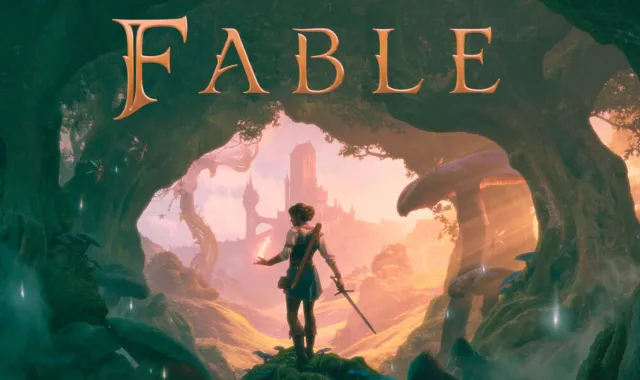
The whispers in the Greatwood are growing louder, and the gilded crest of the Guild of Heroes is finally beginning to shine once more. For over a decade, fans of the iconic action-RPG franchise have been wandering through a dry spell, replaying the original trilogy and dreaming of a return to the whimsical, often dark, and perpetually sarcastic world of Albion. The wait is nearly over. Developed by Playground Games—the masters of open-world immersion behind the Forza Horizon series—the new fable game is shaping up to be one of the most significant releases of this generation.
This isn’t just a sequel; it is a rebirth. Since the initial teaser in 2020, Microsoft and Playground Games have been meticulously crafting a world that honors the legacy of Peter Molyneux’s original vision while leveraging the power of modern hardware to deliver something truly revolutionary. In this deep dive, we will explore everything we know about the New Fable Game, from its confirmed release window to the gritty gameplay details that promise to make your choices matter more than ever before.
The Long Road Back to Albion: A Development Odyssey
The journey to the new Fable has been one of mystery and high expectations. When Lionhead Studios closed its doors in 2016, many feared that the franchise was dead. However, the intellectual property was too valuable to remain dormant. The decision to hand the reins to Playground Games was initially met with surprise—why give a fantasy RPG to a team known for racing games? The answer lies in their mastery of the “ForzaTech” engine, which has proven capable of rendering some of the most beautiful, expansive open worlds in gaming history.
Development has been a multi-year endeavor involving top-tier talent from across the industry, including writers from the Batman: Arkham series and veteran RPG designers. The goal was clear: capture the “Britishness” of Fable. The series has always been defined by its unique tone—a blend of Monty Python-esque humor, fairy-tale wonder, and grotesque horror. Early trailers featuring Richard Ayoade as a vegetable-obsessed giant and the more recent 2024 and 2025 showcases have confirmed that this DNA is very much intact.
Fable Release Date and Platform Availability
One of the most pressing questions for fans has been the “when.” Following the major Xbox Games Showcase in mid-2024 and subsequent updates in late 2025, the picture has become much clearer. Microsoft has officially narrowed the release window, aiming for a blockbuster launch that will anchor their holiday lineup.
The game is being built from the ground up for the current generation of hardware. This means the New Fable Game will not be held back by the limitations of older consoles. It is a true showcase of what the Xbox Series X|S can do, featuring lightning-fast load times, hardware-accelerated ray tracing, and a level of environmental density that was simply impossible during the Xbox 360 era. Below is a breakdown of the essential launch details for quick reference.
Key Project Specifications and Launch Info
| Feature | Details |
| Developer | Playground Games (Xbox Game Studios) |
| Release Window | Late 2025 / Early 2026 |
| Platforms | Xbox Series X, Xbox Series S, Windows PC |
| Engine | Highly modified ForzaTech Engine |
| Game Pass | Day One Release on Xbox & PC Game Pass |
| Genre | Open-World Action Role-Playing Game (RPG) |
| Lead Protagonist | Customizable Hero (Narrative-driven) |
A New Vision of Gameplay: Heroism, Choice, and Consequences
The heart of new fable game has always been the concept of “For every choice, a consequence.” In the original games, this was reflected in your physical appearance—eat too many pies and you’d get fat; commit evil deeds and you’d grow horns. The new fable game is taking this system to a granular level. The developers have hinted at a dynamic “Moral Morphing” system that doesn’t just change your skin color or hair but affects how the world interacts with you in real-time.
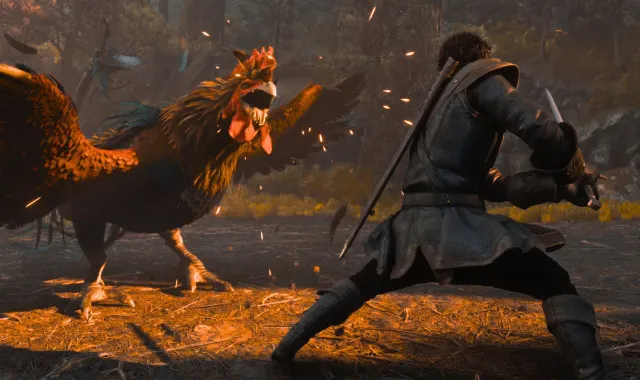
Combat has undergone a massive overhaul. While the original games were often criticized for being “one-button” mashers, Playground Games is introducing a sophisticated tactical system. Players can fluidly switch between melee, ranged weaponry, and “Will” (magic). The 2024 gameplay trailer showcased a hero using environmental hazards—kicking chickens into enemies, using gravity spells to suspend foes, and executing cinematic finishers that feel heavy and impactful.
The world itself is a character. Albion is no longer a series of interconnected zones but a seamless open world. You can walk from the bustling, soot-covered streets of Bowerstone to the haunting, fog-drenched shadows of the Witchwood without a single loading screen. This level of immersion allows for “emergent gameplay,” where your decision to save a village from a bandit raid might lead to that village becoming a thriving trade hub later in the game—or, if you ignore them, a ghost town inhabited by Balverines.
The Narrative Foundation: Who is the Hero of Oakvale?
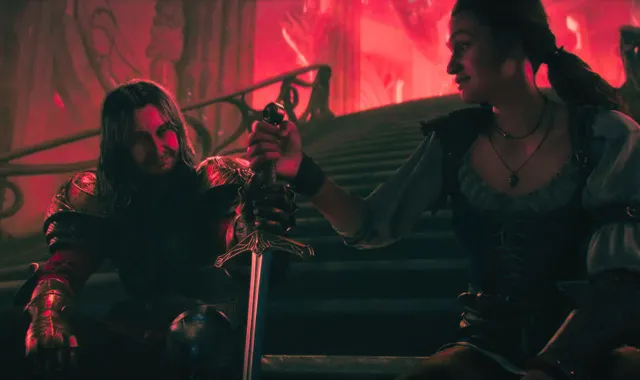
While the game is a “reboot” in many senses, it draws heavily from the lore established in the first Fable. You play as a new Hero, an underdog who discovers their lineage and the power of the Hero’s Guild. However, the story seems to be leaning into the “Fairytale gone wrong” aesthetic. The trailers have introduced us to “Humphrey,” a retired legendary Hero voiced by Matt King (known for Peep Show), who acts as a mentor—and perhaps a warning—of what happens when a Hero loses their way.
The narrative focuses on the burden of greatness. In a world where legends are real, being a “Hero” isn’t just about killing monsters; it’s about the public’s perception. The game explores the concept of fame and infamy. Do you want to be the shining knight whose statues decorate the town square, or the shadowy figure parents use to scare their children at night? The writing team has emphasized that “grey areas” will be more prevalent than ever, moving away from the binary “Good vs. Evil” choices of the past.
Graphics, Art Direction, and the ForzaTech Advantage
Visually, the New Fable Game is nothing short of breathtaking. By using an evolved version of the ForzaTech engine, Playground Games has achieved a level of photorealism that still maintains a stylized, whimsical edge. The lighting is the standout feature; the way sunlight filters through the ancient oaks of Albion or how a fireball illuminates a damp dungeon is industry-leading.
Character models are incredibly expressive. In a game where humor is paramount, facial animations need to be perfect to land a joke or convey a subtle smirk. The technology used here allows for incredibly nuanced performances from the cast. Furthermore, the creature design has seen a significant “glow-up.” Hobbes are creepier and more mischievous, Balverines are genuinely terrifying apex predators, and the Trolls are mountainous obstacles that require strategy rather than just brute force to defeat.
Exploration and Life Simulation: Beyond the Quest
One of the features that made Fable unique was the ability to “live” in the world. You weren’t just a wandering warrior; you could buy houses, get married, have children, and even run businesses. Playground Games has confirmed that these “Life Sim” elements are returning and are more integrated into the core loop.
The economy of Albion is reactive. If you buy up all the property in a town and set the rent to “excessive,” the villagers will grow to hate you, potentially leading to protests or even assassination attempts. Conversely, being a benevolent landlord can turn you into a local celebrity. The “Social Expression” system—the famous emotes like “fart,” “dance,” and “heroic pose”—is also making a comeback, though it has been modernized to feel less like a menu-driven mini-game and more like a natural way to interact with NPCs.
Latest News: What We Learned in Late 2025
As we moved through 2025, several key leaks and official updates shed light on the scope of the game. Firstly, the “Guild of Heroes” serves as your central hub, much like the original game, but it is now a fully customizable base. You can recruit other minor Heroes to go on missions for you, expanding your influence across the continent.
Secondly, there has been a significant focus on “Will” (Magic). Magic is no longer just a set of spells you buy from a menu; it is an elemental force that can be combined. For example, casting a “Whirlwind” spell through a “Fireball” creates a fire-tornado. This systemic approach to combat allows for creative problem-solving during large-scale encounters.
Finally, the music. Russell Shaw’s original themes are being reimagined by a full orchestra. The iconic “Oakvale” theme has been teased, sending waves of nostalgia through the veteran fanbase. The audio design is focusing on “3D Spatial Sound,” making the forests of Albion feel alive with the rustle of leaves, the distant howl of a wolf, and the ambient chatter of a busy marketplace.
The Challenges of Rejuvenating a Legend
Rebooting a beloved franchise is never easy. Playground Games faces the monumental task of satisfying two different audiences: the “Old Guard” who grew up with the quirky, sometimes janky charm of the original trilogy, and a new generation of gamers used to the polish of The Witcher 3 or Elden Ring.
The biggest challenge is balance. If the game is too funny, it loses the stakes. If it’s too serious, it’s not Fable. Based on the footage shown so far, the team seems to be walking this tightrope with grace. They are leaning into the “Heroism is hard” angle, showing that for every grand adventure, there are ten moments of mud, blood, and getting mocked by a talking
Conclusion
The New Fable Game represents a pivotal moment for Xbox and for the RPG genre as a whole. It is a game that doesn’t just want to tell you a story; it wants to give you a playground where your personality defines the world. With the power of Playground Games’ technical expertise and a deep reverence for the source material, the return to Albion looks poised to reclaim the throne of the action-RPG genre.
Whether you are a veteran Hero who remembers the first time you stepped out of the Guild or a newcomer looking for a world where you can kick chickens and save kingdoms in equal measure, Fable is shaping up to be an unmissable experience. As the release draws nearer, stay tuned for more updates, but one thing is certain: your legend is just beginning.
FAQs
Q: Is the new Fable a sequel to Fable 3 or a complete reboot?
While it includes many familiar locations and themes, the new Fable is a narrative reboot, allowing Playground Games to tell a fresh story without being strictly bound by the previous games’ timeline, making it accessible for new players while keeping the lore intact for veterans.
Q: Will there be multiplayer or co-op in the new Fable?
The focus is on a single-player experience to deliver a deep, reactive narrative. There are hints of asynchronous online features, like the “Hero orbs” from previous games, where you might see the ghosts of other players in your world.
Q: Can you play as a female character?
Yes. Players can fully customize their Hero, including choosing their gender. Trailers from 2023 and 2024 featured a female protagonist, but the final game will offer extensive character creation options.
Q: Is Peter Molyneux involved in the development of the new Fable?
No, Peter Molyneux is not involved. The game is developed entirely by Playground Games under Xbox Game Studios, though the team respects the foundation he built for the series.
Q: Will the game be available on PlayStation 5?
No. Fable is an Xbox exclusive, available on Xbox Series X|S and PC (Windows/Steam), and will launch on Xbox Game Pass on release day.
Q: Does the “Moral Alignment” system still affect your appearance?
Yes! The morphing system returns. Choices like stealing or harming innocents will make your character look more sinister, while virtuous actions will give your Hero a visible “glow” of heroism.
Q: Will there be a dog companion in the new Fable?
Yes. The dog companion, a staple of the series, is expected to return, helping players find treasure and fight enemies.
